The tech behind our worlds
One shared AI foundation — memory, planning, and a deterministic battle engine — runs under all three Righteous worlds. Here's what's shared, and what each game builds on top.
People ask how a studio our size is building three games at once. The honest answer is that the hardest part — the AI — is shared. Underneath our games sits a foundational AI runtime: the systems that give a character memory, let it plan toward its own goals, and let it act on its own instead of running a fixed script. That runtime isn't tied to a single title. It's the ground all three of our worlds stand on.
Three things make that runtime hard, and we built each of them rather than fake it. Memory, so a character carries what happened to it from one moment to the next. Planning, so it can weigh its options against its goals instead of lunging at the nearest target. And guardrails, so emergent behavior stays fun instead of spiraling. Solve those once and every game that draws on them inherits a cast that actually thinks.
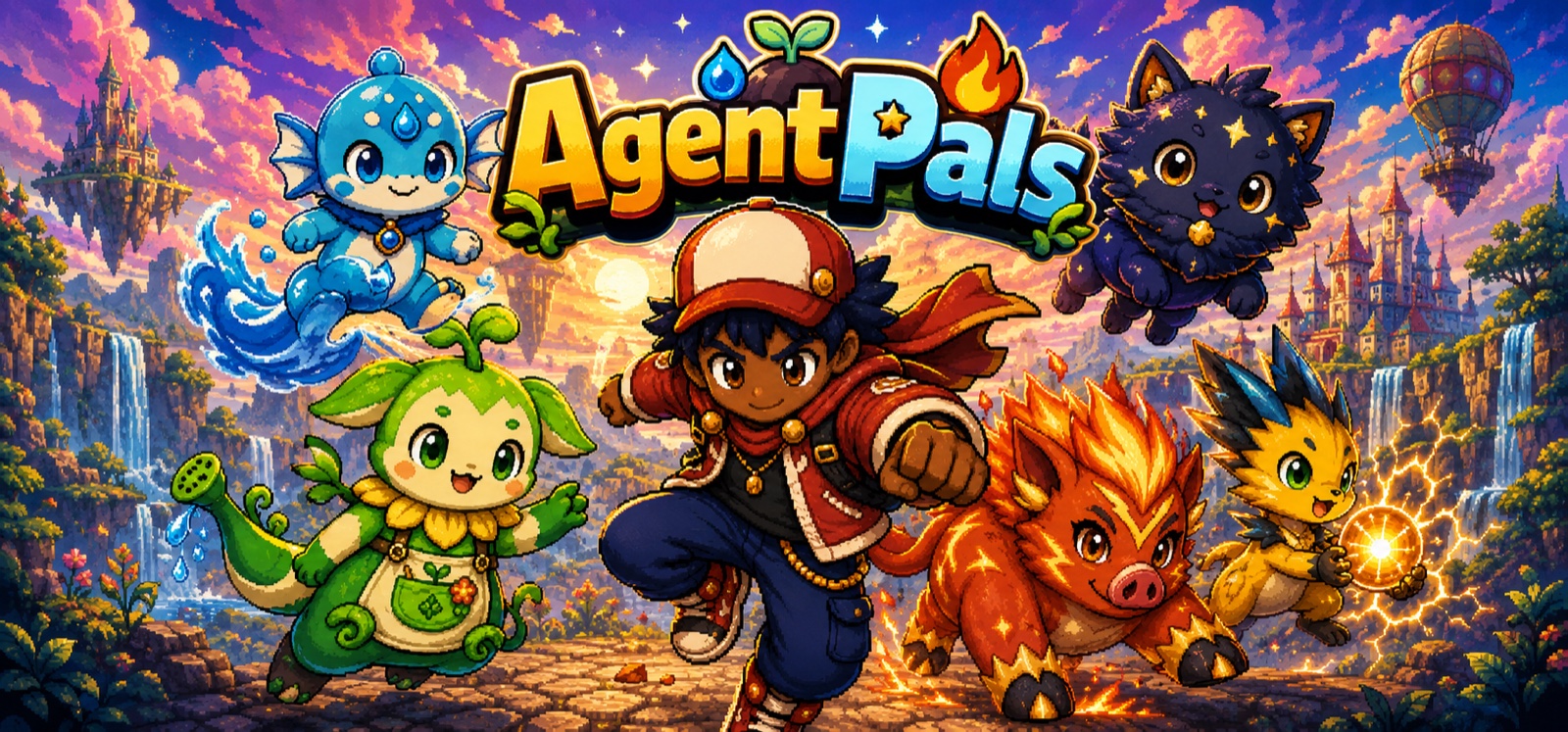
AgentPals leans on that foundation the hardest. Every creature is a living AI agent, and you don't pick its abilities from a menu — you write them, in an in-game language meant to read plainly on day one and run deep by your hundredth hour, and the agent learns to perform what you described. Playtesters have already built skills we never designed. The battles on top are deterministic and server-authoritative: the same inputs always produce the same result, every outcome is re-verified on our side instead of trusted from a player's device, and a creature is capped to four equipped moves — so a match comes down to your decisions, not your hardware.
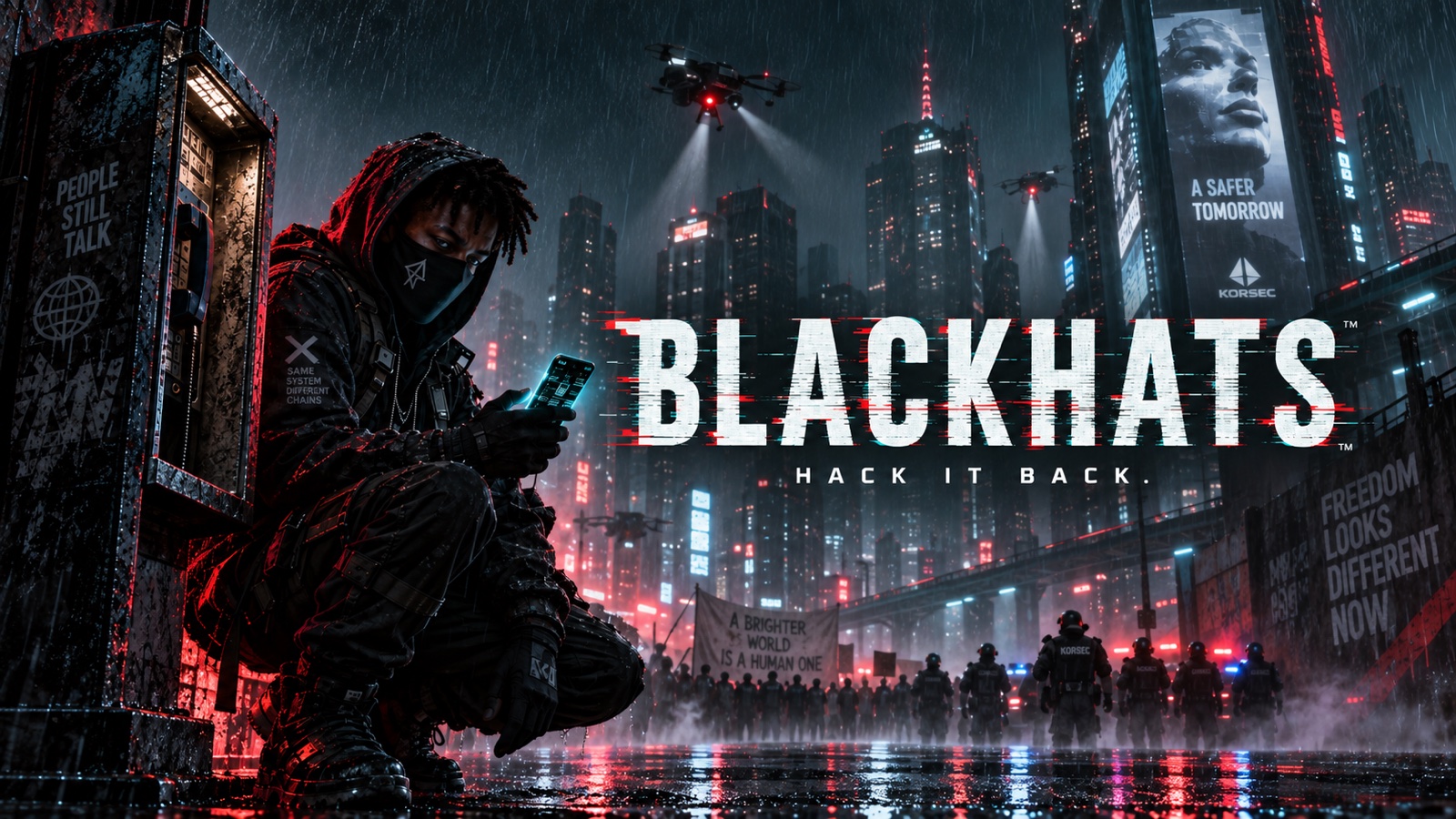
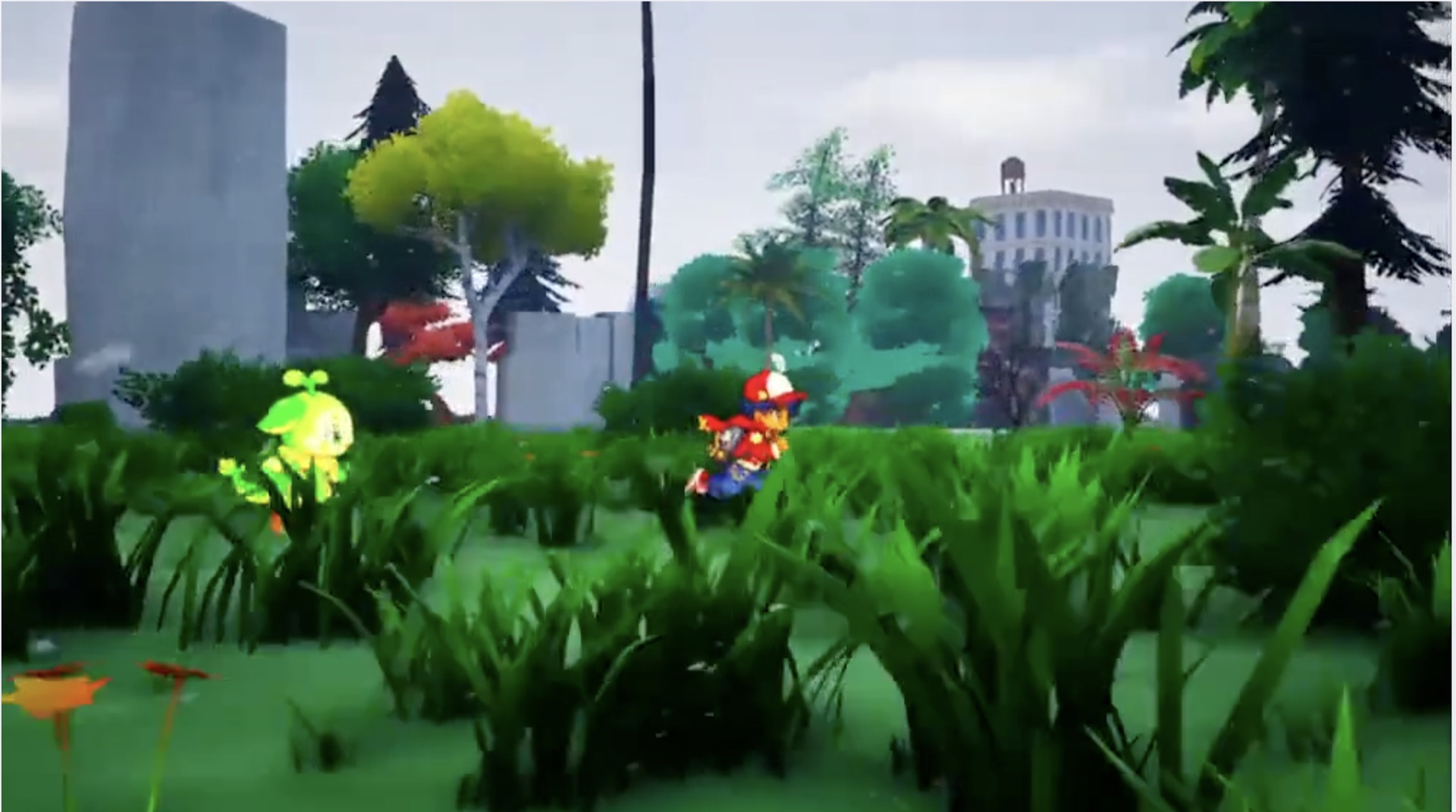
BRUH and Blackhats are full Unreal projects in their own right, and each adds its own engine on top of the shared base. BRUH is a stylized action-adventure where the AI goes into enemies and allies that fight with intent. Blackhats is an open-world action-adventure where we're building a dedicated in-game hacking engine — real systems to breach, with defenses that react — alongside the agentic systems that keep the city feeling awake.
None of this is finished; systems change the moment real players touch them. But sharing the hard parts is how three ambitious worlds come from a team this small — we solve the AI once, then let each game build only what's unique to it. If you want to follow the build, with reveals, playtests, and the occasional look under the hood, join the mailing list below.